How Bunk Beds For Kids Its Rise To The No. 1 Trend On Social Media
Bunk Beds For Kids 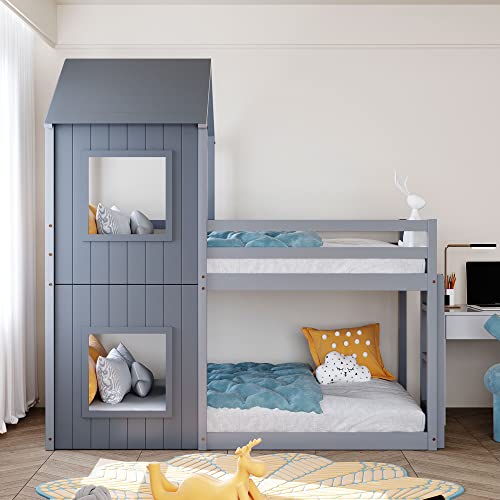 If they want to have a seat on the top bunk or use it as a homework hideout, kids love bunk beds. They can result in serious injuries if they are not set up or fixed properly. The bunk bed is designed to expand with your children. It can be split into two beds as they get older. The classic white finish looks elegant in coastal, cottage or vibrant rooms, while clay and brushed gray are versatile options for contemporary spaces. Rooms shared Sharing the bedroom with your children can be an ideal way to save money and space, while also encouraging bonding and learning. It's also a great method to establish routines for sleeping and ensure that siblings are on the same schedule. It is crucial to consider the age of your children and how well they are getting along before making a decision like this, however. Bunk beds are a great option for families with multiple children. Bunk beds allow parents to fit in two beds into the space of a smaller one without sacrificing space to accommodate other furniture, such as dressers or children's playrooms. In addition the design of bunk beds can be an enjoyable and stylish way to add personality to your space! It does not matter if your children are in elementary school or teens. Sharing the same space with them is an excellent method to build community and build a sense of closeness. Children can bond while they study together, or spend a few nights in the top bunks, talking or reminiscing about their days. This is especially important for older teens and teens since it keeps them engaged in their studies and helps to maintain a positive bond with their sibling. Bunk beds can make smaller spaces appear larger. A bunk bed occupies about the same amount of space as two single beds but has a smaller footprint than other types of children's bedroom furniture. This leaves plenty of floor space for other purposes like an office, playroom, or family room. Bunk beds can be an enormous improvement to any shared space however, there are several alternatives to enhance the look and feel of your child's bedroom when they share it with siblings. For example floating shelves are a great way to increase storage space and keep the room clean and free of clutter. They're a great solution for smaller spaces, and can be used to store extra linens or as bedside tables. Furthermore, you can use them to display your child's most loved toys and precious items so that younger siblings cannot take them. Save space Bunk beds can save space in your kids' bedrooms by maximizing the space vertically. They allow enough space underneath the lower bunk to fit additional furniture, a play area or desk. There are a variety of twin-over-twin, full over-twin and full-over-queen bunks to fit your home's unique space. There are bunk beds with desks that will encourage your child to be excited about going back to school. Children who share a bedroom can benefit from the close bond that develops from sharing a room together. They can talk or playing quietly, or they can watch television and movies together. Sharing bunk bed for kids can teach valuable life lessons, such as learning to respect one another's needs and boundaries. A bunk bed gives kids the opportunity to have their own personal space, yet remain close to their parents or other their friends who are in the same room. This can prevent conflicting schedules, and encourage independence and self-reliance. This can help to prevent feelings of being abandoned or resentment between siblings who may be forced to share the bedroom. Bunk beds for children aren't as big a space as lofted beds or trundle beds do which makes them perfect for rooms with low ceilings. They can make a room appear larger and provide children with more room to move around which is particularly beneficial in apartments and homes that are small. When choosing the design of a bunkbed for your kids be sure to consider the design of the room and the preferences of your children. This will ensure that they'll be happy with their new bed and will enjoy sleeping there for many years to be. For example, a bunk bed that has stairs made as a tree house could make kids feel right at home, while also adding to the room's theme. Before deciding to buy bunk beds for kids make sure your children are old enough and physically fit to climb up and down the ladder without assistance. It's important to adhere to the weight limitations of the manufacturer that differ by bunk set. Convenience Bunk beds are ideal for kids as well as for adults who share a space with their flatmates or siblings. kids bunk bed are suitable for adults too, so you can convert your children's room into an extra bedroom or seating area when you need. You can choose between a variety styles and features including storage options to fit every book, knickknack, and toy your child could have. Typically, bunk bed for kids consist of two twin beds placed one on top of the other and attached to a ladder. You can choose the ladder that is a standard frame design or a stairway that leans. To ensure the safety of your child you can also locate bunk beds that are in line with ASTM standards. The top bunk can be used by one person, and a few beds are equipped with railings to prevent children from falling off the top of the bed when they lay down in their sleep. In addition to traditional bunk beds, there are different loft or elevated bed designs. Corner bunks are a favorite. They combine two beds elevated in the corner of the child's bedroom and allow the children to share the space without taking up the floor space. A majority of bunk beds come with built-in storage options, like drawers or a pull-out bed for additional sleeping space for guests. Bunk beds are also a great option for children to share a bedroom and also teach them important lessons in life like respect and teamwork. They can also aid in improving their social skills and promote healthy, controlled interactions with their siblings. It is essential to think about the sleeping habits of your child prior to selecting a bunk bed. If they are prone to toss and turn in their sleeping, a move to the top bunk could be too risky for them. While a bunk bed may be a great solution for smaller spaces, it is important to consider your child's age and level when deciding on the appropriate size and type of bed. Most experts recommend that children younger than the age of six should not be using an upper bunk because they may lack the physical coordination and spatial awareness required to safely navigate a ladder and high sleeping surface. It is better to choose a twin bed for younger children. You should wait until your child reaches the age of six before introducing a bunk bed. Safety If you're considering bunk beds for your children there are some crucial safety considerations to consider. If you're purchasing full over queen size bunks or twin over full, be sure that the guardrails are at least 5 inches high. Also, make sure that there aren't any gaps, holes or openings where children can be able to fit their head. The space between the mattress and the bottom guard rail should also be no more than 4 inches wide. Examine the guardrails on a regular basis for signs of wear or damage and replace any that are damaged. Consider your child's maturation levels and make sure they're ready to climb the ladder to the top bunk safely. Observe their behaviour in the bed, particularly how they interact with each with each other on the upper levels, and don't let them treat the bunk like an outdoor playground. It's also a good idea to make sure the bed isn't placed close to any object that could fall on them, like curtains or ceiling fans. Similarly, you should ensure that the ladder is securely attached and can only be used by only one person at a. Ladders must be kept away when not in use. children should not play on them or make use of them as trampolines. It's also recommended to invest in a high-quality mattress for each bed in order to prevent injuries and falls. A softer mattress can provide better support and reduce the risk of falling. It's also recommended to put a carpet under the bunk beds to lessen the risk of falling and injury on hard floors. This is particularly beneficial for children who are prone to slumbering on their backs. If you have kids who are young think about a carpet that is fitted to stop them from stepping over the edges of the mat. Also, don't let children hang objects from the guardrails. This includes clothes and sports equipment. This could lead to strangulation. There are many products that can be put in place on bunk beds to keep them safe, such as ladder locks or safety nets.